

Camping equipment rental businesses often lose money from missing items, late returns, poor deposits, and manual records. Learn how a rental management system fixes it.
Recommended Products
Digitizing Camping Equipment Rental: How Rental Businesses Can Reduce Losses and Scale Faster
Camping equipment rental looks simple from the outside. Customers rent tents, sleeping bags, stoves, carriers, and lamps, then return them after the trip. But once orders grow, the business becomes difficult to control manually.
Many rental owners face the same issues: equipment comes back late, items are damaged, accessories are missing, deposits are not tracked properly, and staff do not know which items are available for the next customer.
If this continues, profit disappears quietly.
Common Problems in Camping Equipment Rental
1. Missing or Swapped Items
One tent may have poles, ropes, pegs, and a bag. If only the tent name is recorded, small accessories can disappear without being noticed.
2. Late Returns
Late returns affect the next booking. If an item is promised to another customer, one delay can create a chain of complaints.
3. Manual Deposit Tracking
Deposits are often recorded in notebooks or chats. When returns happen, staff may forget deductions for damage or late fees.
4. Unclear Item Condition
Without check-out and check-in photos, it is hard to prove whether damage happened before or after rental.
5. No Availability Calendar
Owners may accept bookings even though the item is already reserved.
What Rental Management Software Should Do
A rental management system helps owners control item availability, customer data, deposits, returns, and item condition.
Important features include:
- Item catalog with accessories
- Booking calendar
- Customer data
- Deposit records
- Check-out and check-in status
- Late return tracking
- Damage notes
- Payment history
- Inventory availability
- Reports for item utilization
Practical Workflow
1. Register Every Item
Each tent, stove, lamp, carrier, or sleeping bag should have a unique code. Accessories should be listed as part of the package.
2. Use a Booking Calendar
Staff can immediately see which items are available, booked, out for rental, or under maintenance.
3. Record Deposits and Payments
Deposits, rental fees, discounts, and late fees should be stored in one transaction record.
4. Check Condition Before and After Rental
Add notes or photos before handover and after return. This makes damage claims more objective.
5. Review Utilization Reports
Owners can see which items generate the most revenue and which items rarely move.
Benefits for Rental Owners
- Fewer lost items
- Fewer booking conflicts
- Faster customer service
- Clearer deposit management
- Better maintenance planning
- More accurate profit reports
Conclusion
Camping equipment rental can be profitable, but only if assets are controlled carefully. A rental management system helps owners protect inventory, reduce disputes, and grow without drowning in manual records.
🚀 Butuh Sistem Serupa?
Kami dari Codeverta bisa bantu bangunkan sistem Rental Management System yang sesuai dengan kebutuhan bisnis Anda.
Tim teknis kami siap mendiskusikan kebutuhan Anda tanpa biaya.
More Articles
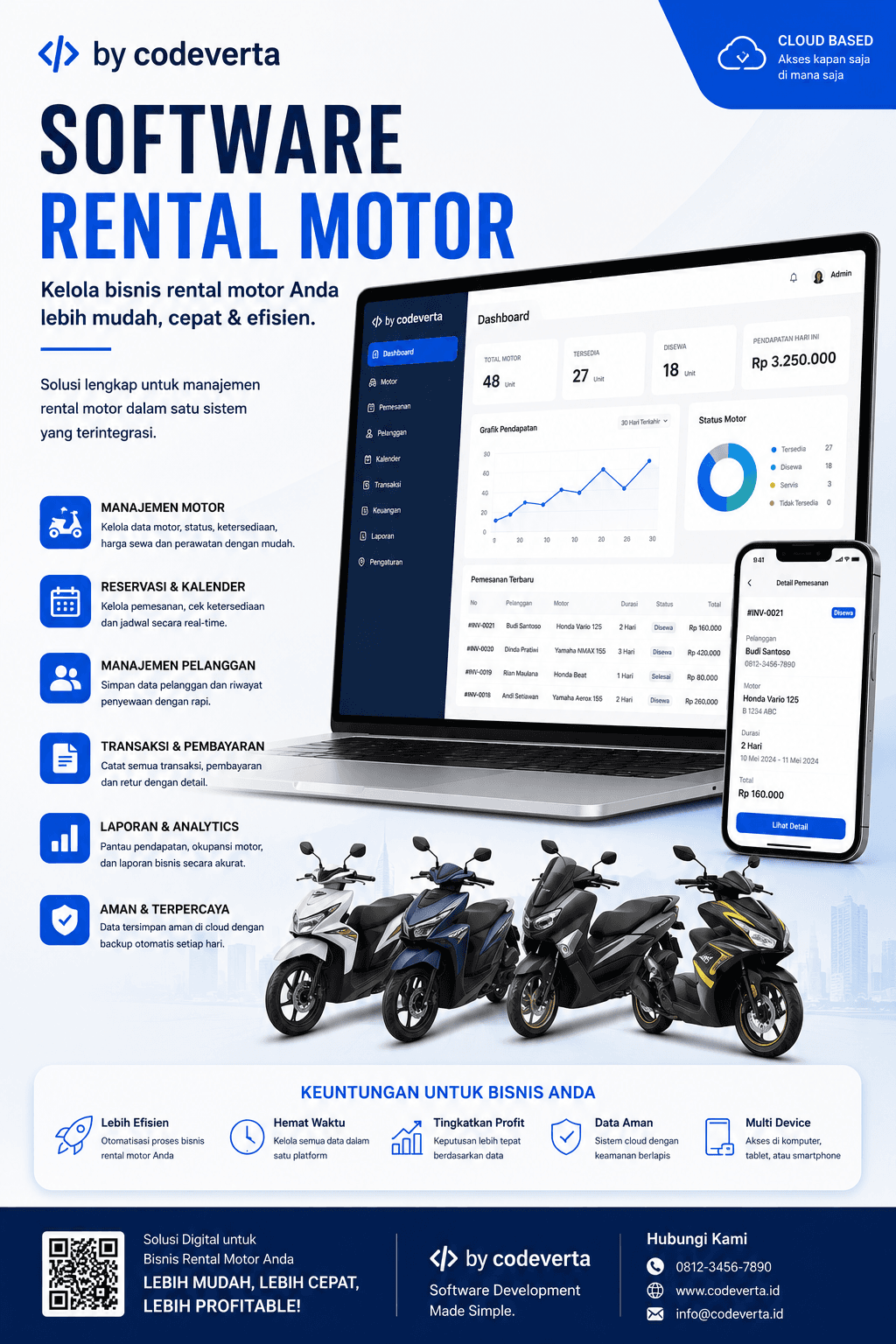
Why Motorbike Rental Businesses Lose Money Even When Bikes Keep Going Out
12 juin 2026
Why Car Rental Businesses Often Lose Money Quietly and How to Fix It
8 juin 2026
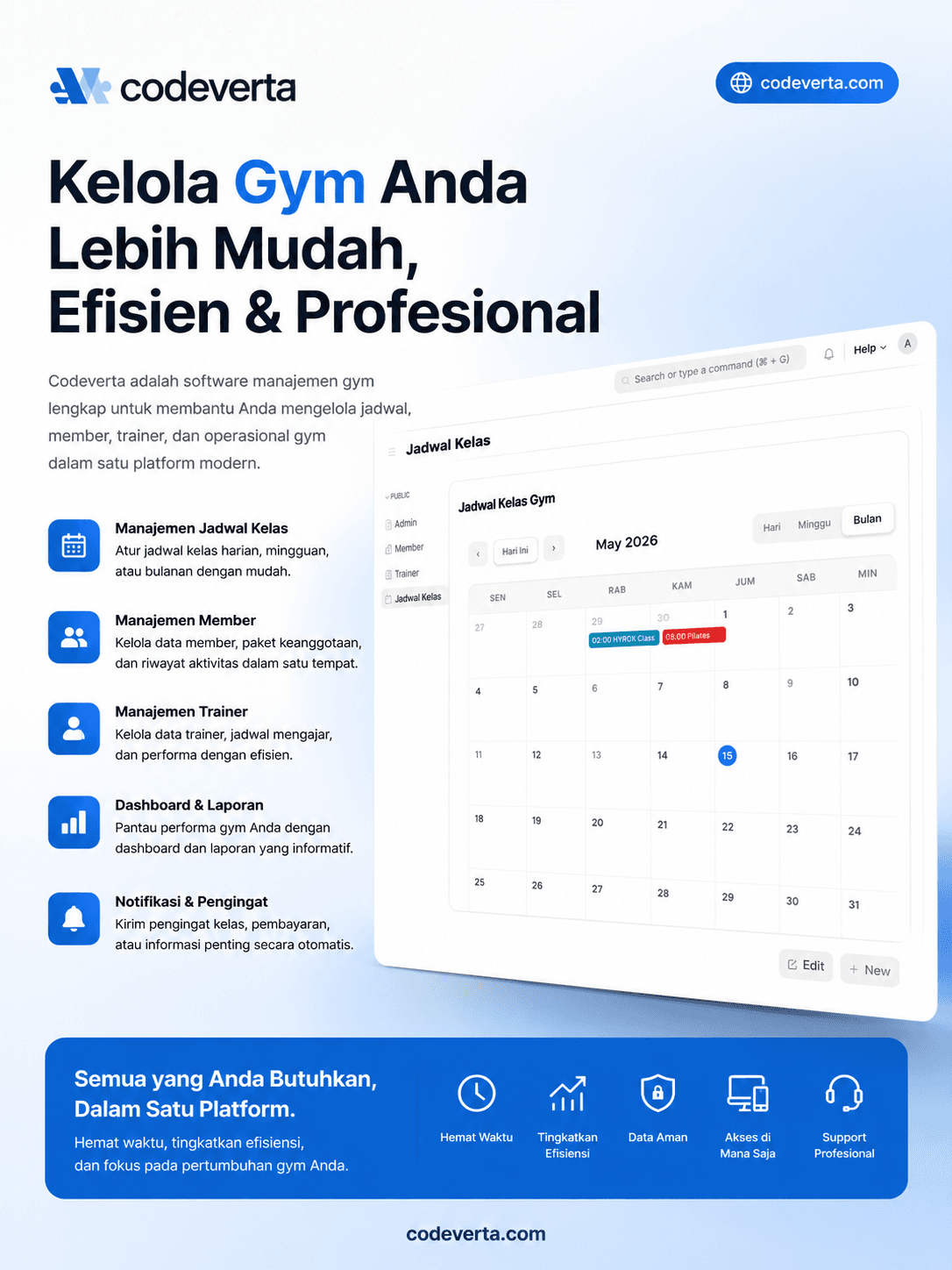
Votre salle de sport est en désordre parce que vous utilisez encore des registres manuels ? Il est temps d'utiliser un système de gestion
15 juillet 2026
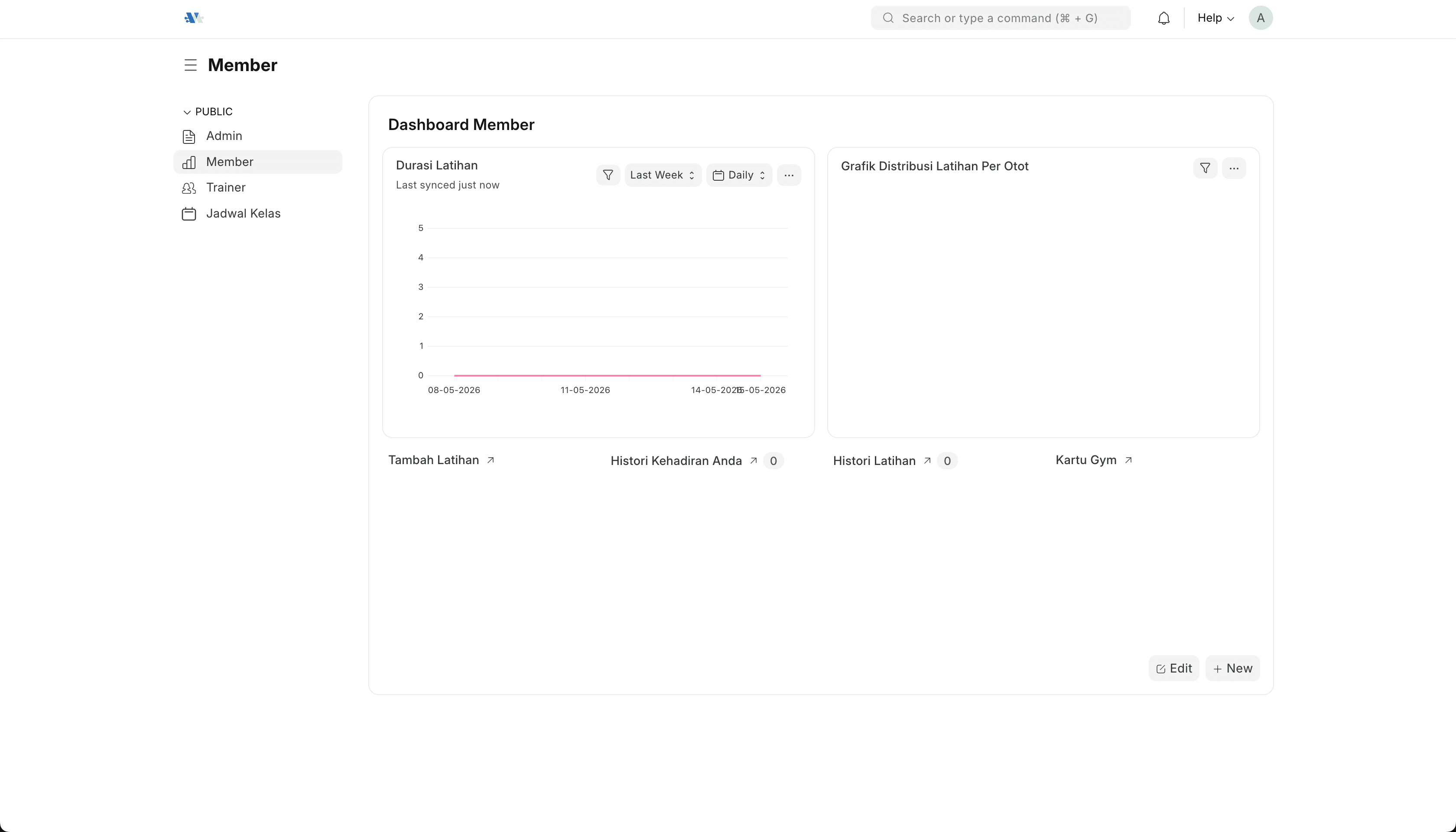
retención gimnasio pour les entreprises modernes
10 juillet 2026