

From mining sites to hospital floors, large enterprises rely on software to enforce compliance, track accountability, and reduce the human cost of operational errors. Here's what that looks like in practice.
Recommended Products

How Enterprise Companies Use Software to Improve Safety, Compliance, and Accountability — and Why It Matters for Any Business Running a Team
There's a moment every business owner dreads: something goes wrong, and nobody can clearly explain what happened, who was responsible, or when the last check was done.
For a small gym, that might mean a piece of equipment fails and injures a member — and there's no maintenance log to show the last inspection date. For a contractor, it's a site incident with no record of which workers completed their safety briefing. For a hotel, it's a food hygiene violation with no documented cleaning schedule to present to the inspector.
These aren't rare edge cases. They happen when accountability lives in people's heads instead of systems.
How the Biggest Companies in Australia Treat Compliance Differently
Companies like BHP, Rio Tinto, and Fortescue operate under some of the strictest safety regimes in the world. Mining fatalities carry criminal liability. A single non-compliance event can result in a site shutdown worth tens of millions of dollars in lost production.
That kind of pressure forces a different relationship with documentation. It can't be optional, informal, or reliant on individual memory.
SafetyCulture — an Australian company that started as an inspection checklist app for mining and construction sites — built an entire platform around this insight. Their product (iAuditor) is now used by companies across healthcare, retail, aviation, and logistics to digitize inspections, capture real-time evidence, and assign corrective actions with deadlines.
Qantas uses digital safety management systems to track every maintenance procedure performed on every aircraft. Not because regulators demand paperwork for its own sake — but because when something goes wrong at 35,000 feet, you need to know exactly what was checked, by whom, and when.
The pattern behind all of it: compliance isn't a checkbox. It's a traceable chain of actions.
The Three Layers of Operational Accountability
When software is used well for compliance, it operates across three distinct layers:
Layer 1 — Prevention: Making the Right Action the Default
The best compliance tools don't just record what happened. They make it harder to skip a step in the first place.
When a Woolworths store manager opens the morning checklist, the refrigeration temperature log isn't optional — the system won't let the day proceed without it being filled. When a Rio Tinto equipment operator starts a shift, the pre-start checklist runs before the machine activates.
For a laundry business: if your staff opens the order management system and the chemical stock check isn't marked complete before a shift starts, the system flags it. That one prompt eliminates the "I forgot" scenario that causes problems down the line.
Layer 2 — Documentation: Creating a Record That Holds Up
When something does go wrong — a customer complaint, a staff injury, a regulatory inspection — the question immediately becomes: what's the evidence?
Digital records with timestamps, user IDs, and completion status are far more credible than handwritten logs or verbal accounts. Telstra uses structured incident reporting tools that capture who reported an issue, what the initial assessment was, which technician was assigned, and how it was resolved. Every step is timestamped and attributed.
For a hotel: a documented room inspection checklist — with the housekeeper's name and completion time — is the difference between a defensible position and a liability exposure when a guest claims their room wasn't properly cleaned.
Layer 3 — Accountability: Assigning Ownership, Not Just Tasks
The weakest version of compliance is a shared checklist with no names attached. If anyone can mark something complete, then nobody is truly accountable.
Enterprise software solves this by requiring individual login, assigning tasks to specific people, and recording who did what. When Macquarie Group's compliance team runs an audit trail, they can see exactly which team member signed off on which review — not just that the review was completed.
For a catering operation: when a delivery goes out, the software records which staff member confirmed the order contents, packed the vehicle, and handed over to the driver. If a client calls about a missing item, you know in 30 seconds where the chain broke.
What Happens When Accountability Is Informal
Most small businesses don't have a compliance failure the first month. Or the first year. The informal system — shared WhatsApp groups, printed rosters, verbal briefings — works well enough when the team is small, everyone knows each other, and nothing unusual happens.
The problems emerge gradually:
- A key staff member leaves, and the institutional knowledge goes with them
- The team grows from 3 people to 8, and the informal coordination stops scaling
- A regulatory inspection asks for records that don't exist
- A customer dispute escalates and there's no documentation to support your position
- An incident happens and liability is unclear because nobody knows who was responsible for what
The businesses that get caught out are almost never negligent in intent. They're just running on systems that were designed for a smaller, simpler operation.
A Practical Example: Contractor Site Safety
Consider a mid-size contracting business running three active sites simultaneously. The owner knows safety is important — there are briefings, site rules are explained to new workers, and incidents get discussed at the weekly meeting.
But the documentation is loose. New worker inductions are verbal. Equipment inspections happen but aren't logged consistently. Subcontractors sign a paper form that gets filed in a folder in the office.
Then there's a workplace injury on site two. The worker was using equipment that hadn't been formally inspected in six weeks. The owner can't prove otherwise because the last inspection log is a handwritten note that may or may not be complete.
The legal, financial, and reputational exposure from that single gap is significant.
With operational software in place:
- Equipment inspection schedules are set up per asset, with reminders
- Each inspection completion requires a logged entry with a named staff member
- New worker inductions are completed digitally before site access is granted
- Subcontractor documentation is uploaded and linked to the relevant project
- The owner can pull an audit-ready compliance report in under five minutes
The work didn't become more bureaucratic — it became more traceable.
Checklist: Signs Your Accountability System Has Gaps
- You can't produce a dated record of your last equipment maintenance check
- Staff complete tasks verbally or via WhatsApp without a system record
- Incident reports live in a drawer or a shared Google Doc with no structure
- New staff inductions are done verbally with no sign-off record
- You rely on one person's memory to know what's been done on a given day
- A regulatory inspection would require you to scramble to pull records together
- Customer complaints sometimes go unresolved because nobody owns the follow-up
If more than two of these are true, your current system has accountability gaps that will eventually surface at the worst possible moment.
Implementing This Without Turning Your Business Into a Bureaucracy
The goal isn't to replicate the compliance infrastructure of a publicly listed mining company. Most small businesses need a lighter version of the same principles:
Start with the highest-risk touchpoints. What's the thing that, if it went wrong, would cause the most damage — legally, financially, or reputationally? Start there.
Assign tasks to individuals, not teams. "The team is responsible" is functionally equivalent to nobody being responsible.
Make completion visible. Use a system where incomplete tasks are flagged, not buried. If nobody knows something hasn't been done, it won't get done.
Record, don't just remind. Reminders are useful. But what you need is a record that shows the reminder was acted on, by a specific person, at a specific time.
The right operational software for your business type handles all of this without requiring your team to become compliance officers. It embeds accountability into the daily workflow — so it happens as a natural part of doing the job, not as an additional layer of admin.
Final Thought
The companies that treat compliance seriously — BHP, Qantas, CBA — aren't doing it purely because regulators require it. They do it because accountability protects the business. When something goes wrong, they can demonstrate what was done, by whom, and when. That protection has real value.
For any business running a team, the same logic applies. The question isn't whether you need documented accountability — it's whether your current system could hold up under pressure.
If the honest answer is no, that's worth fixing before you're in a situation where you need it to.
More Articles
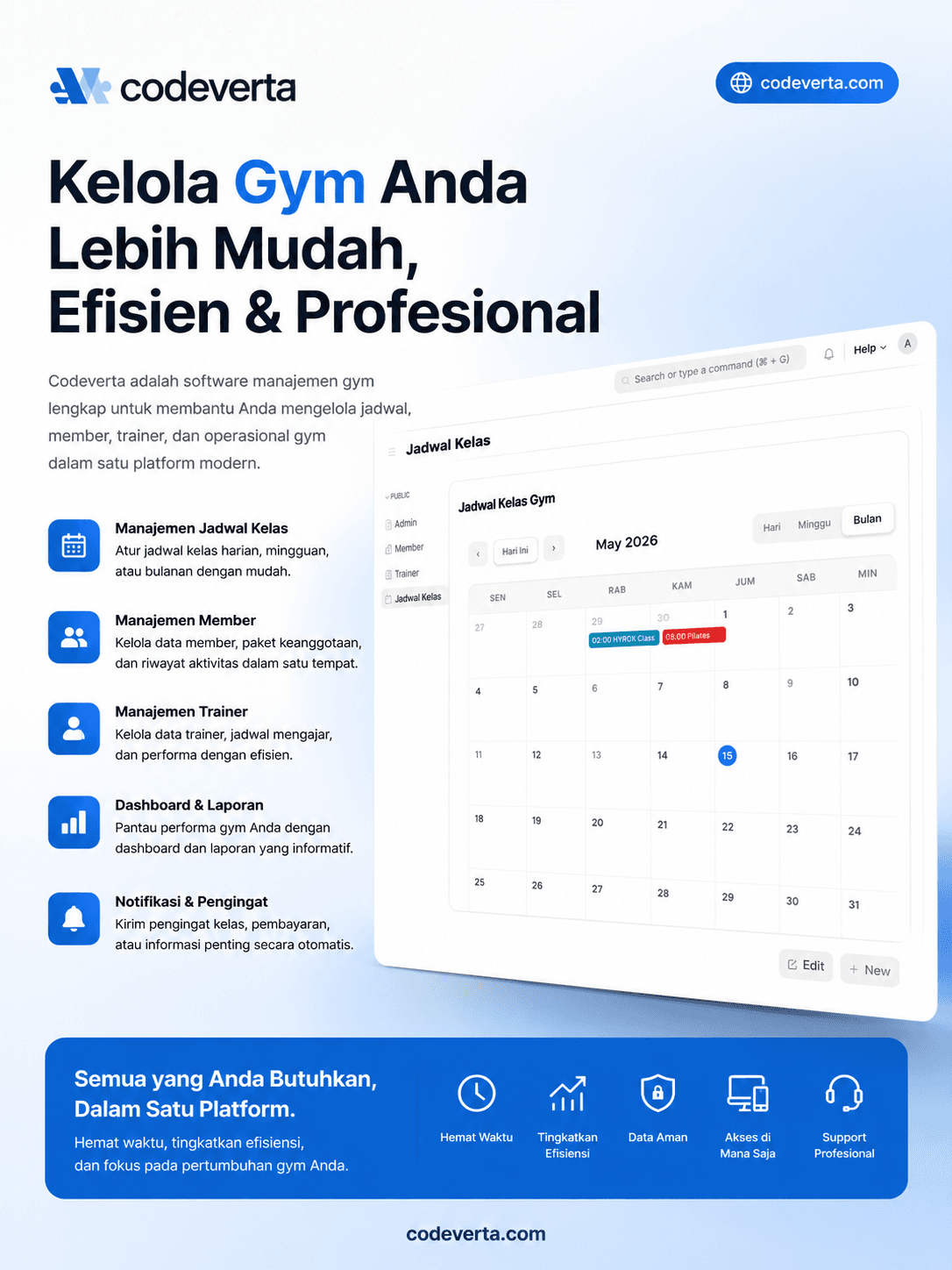
Gym Berantakan Gara-Gara Catatan Masih Manual? Saatnya Pakai Sistem Manajemen Gym
15 июля 2026 г.
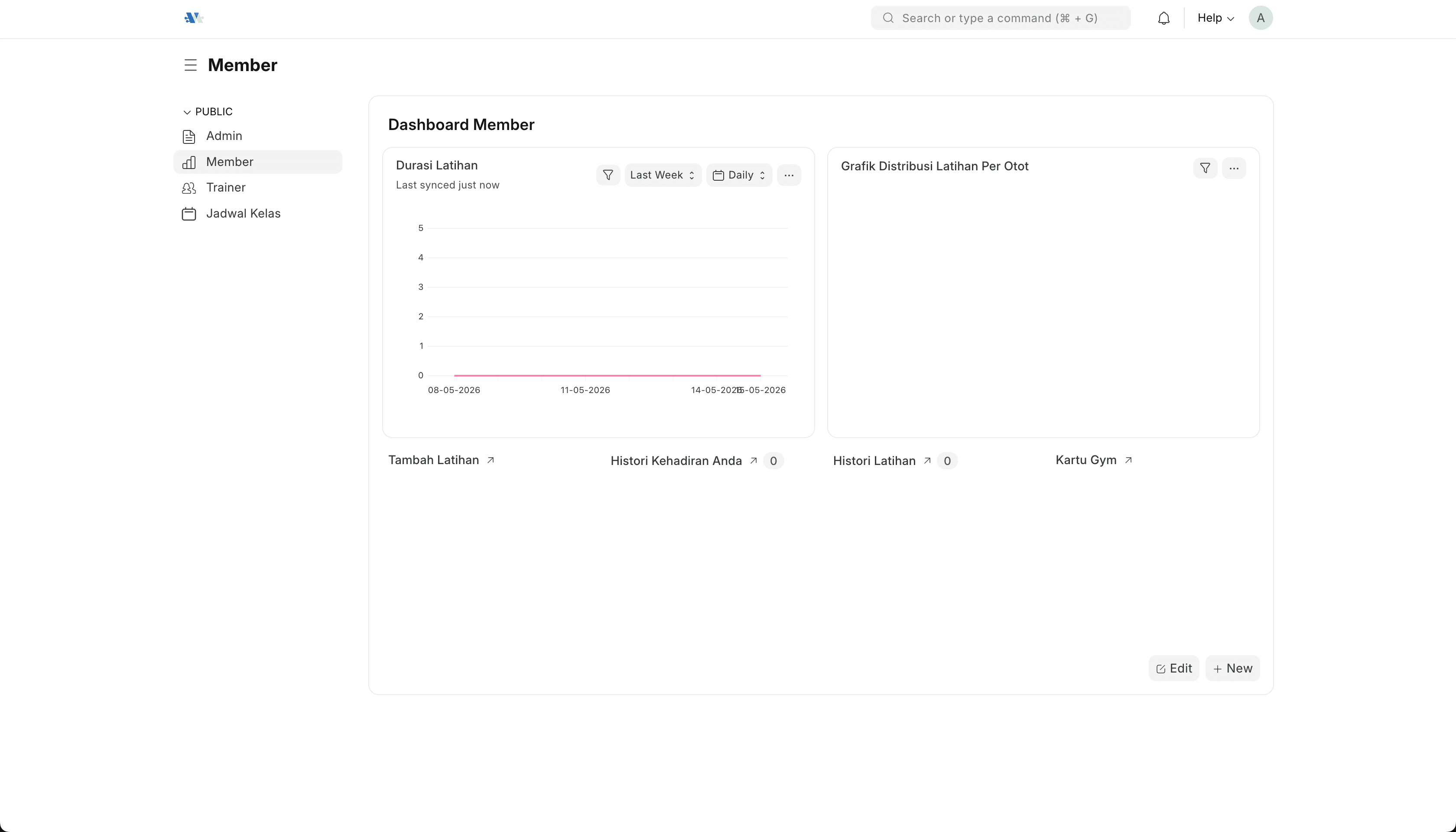
Почему маленьким фитнес-залам трудно удерживать клиентов
10 июля 2026 г.
Почему маленькие отели и гостевые дома теряют постоянных гостей
5 июля 2026 г.
Как упорядочить управление материалами на стройке без хаоса
25 июня 2026 г.