

Most businesses try to fix customer churn with promotions and loyalty programs. But the deeper cause is almost always operational — and that's where software actually makes a difference.
추천 제품

Customer Retention Is an Operations Problem — Not a Marketing Problem
When customers stop coming back, the instinct is to reach for marketing. Run a promotion. Launch a loyalty program. Send a re-engagement email. Offer a discount.
Sometimes that works. But in most service businesses — gyms, laundries, hotels, catering operations, rental businesses — the reason customers don't return has nothing to do with marketing. It's operational.
They didn't come back because the order wasn't ready when promised. Because the booking process was confusing. Because nobody followed up after an issue. Because the experience was inconsistent enough that they didn't feel confident recommending it, and gradually stopped thinking of the business when the need arose.
You can't discount your way out of that. You have to fix the operation.
The Research Behind This Is Fairly Clear
The service quality research from the 1980s and 90s — still applied by companies like CBA and Telstra today — consistently shows that the single biggest driver of customer defection in service businesses isn't price. It's perceived indifference: the feeling that the business doesn't notice them, doesn't track their history, and doesn't proactively manage their experience.
CBA invests significantly in what they call "proactive service" — identifying customers likely to have an issue before they call to complain, and reaching out first. It's not altruism. It's retention economics: keeping an existing customer costs a fraction of acquiring a new one, and a customer who experiences proactive problem resolution becomes significantly more loyal than one who never had a problem at all.
For a laundry, gym, hotel, or any other service business, the equivalent isn't a CRM team. It's operational software that surfaces customer signals — and gives you the opportunity to act on them.
Where Churn Actually Starts
Customer churn in service businesses typically doesn't happen in a single dramatic moment. It erodes through small, repeated friction points that individually seem minor but collectively cross a threshold.
The order that was late without any communication. The customer waited, assumed it was fine, picked it up, and didn't say anything. But they noticed.
The booking that was more complicated than expected. They called, waited, got passed between staff members, finally booked — and quietly decided next time they'd try somewhere else.
The question about their account that took three different staff members to answer. Not wrong, just slow and uncertain. It didn't inspire confidence.
The follow-up that never came after they mentioned a concern. Not a complaint, just a comment. Nobody tracked it, nobody followed up, and they interpreted the silence as not caring.
None of these individually drives a customer away. Together, they degrade the relationship to the point where switching becomes easy.
What Operational Software Changes About This
When your operation runs on structured software, several things happen that directly affect retention:
Customer history is accessible to everyone on your team. When a returning customer calls, any staff member can see their order history, preferences, and previous interactions. They don't have to ask questions the customer has already answered. They don't give conflicting information about what was done last time. The experience feels personal even when the staff member is new.
Promises become trackable. If a job is promised by 3pm and it's 2:45pm with the job still in progress, the system flags it — not the customer. You have the opportunity to communicate proactively, which changes the customer's experience from "they were late" to "they called me before I even noticed."
Lapse detection becomes automatic. A customer who visited every week for six months and hasn't been back in three weeks isn't necessarily gone — they might just be busy. But without a system that surfaces that pattern, you'll never know to reach out. With one, you can.
Issues get tracked to resolution. When a customer raises a concern, operational software that includes issue tracking ensures it gets assigned, followed up, and resolved — not lost in a chat thread or forgotten after the shift change.
The Gym Membership Analogy
Gyms have studied retention longer than most service businesses because membership churn is their core business problem. The research is consistent: the gyms with the highest retention rates aren't necessarily the ones with the best equipment or the cheapest prices.
They're the ones that catch members before they disengage.
A member who misses two weeks of classes without explanation is at high risk of not renewing. The gyms that know this — because their software tracks attendance — can have a trainer reach out with a simple "haven't seen you in a while, everything okay?" That single touchpoint, at the right moment, has a measurable impact on renewal rates.
The gyms that don't track this only find out a member is gone when the payment stops coming.
A Realistic Example: Hotel Stay Follow-Up
A mid-size hotel in a regional city was losing guests to a competitor that was, by most objective measures, slightly inferior — older rooms, less central location, slightly higher prices.
The competitor had a structured post-stay follow-up process. Within 24 hours of checkout, guests received a brief message acknowledging their stay, noting any request or issue they'd raised during the visit, and offering a direct line for future bookings.
The original hotel had better rooms. But guests who had a minor issue during their stay — a noisy room, a delayed check-in — heard nothing afterward. The competitor's guests heard from the property before they'd even unpacked at home.
Retention isn't about perfection. It's about recovery and acknowledgment. The hotel that followed up consistently was winning on a metric the other hotel wasn't even measuring.
The Connection Between Internal Operations and Customer Experience
This is the part most businesses miss: the customer's experience of your business is a direct output of how your internal operations work.
When staff have to scramble to find customer information, the customer experiences uncertainty. When jobs fall behind because nobody's tracking progress, the customer experiences delays. When issues raised at the counter don't make it into any system, the customer experiences indifference.
You can train your staff to be warmer and more attentive — and that matters — but if the operational infrastructure doesn't support it, attentiveness fades under pressure. A busy Friday afternoon at a laundry will expose every gap in the system, no matter how well-intentioned the team is.
Telstra's customer service improvement initiatives in recent years have been explicitly tied to internal operational changes: giving frontline staff better access to customer history and issue tracking, so they can resolve problems in a single interaction rather than passing customers between departments.
The same logic applies to a six-person service operation. Better internal systems create better customer experiences — not because the staff changed, but because they have the information and structure to do their job properly.
Practical Steps: Where to Start
Map the customer journey, not just the service delivery. Trace what a customer experiences from first contact through to post-service. Identify every point where they have to wait, repeat themselves, or receive inconsistent information.
Find the friction points that your team has normalized. There are usually things your staff do every day to compensate for system gaps — workarounds that have become routine. These are signals.
Identify what you'd need to know to catch a disengaging customer early. For a gym, it's attendance frequency. For a laundry, it's order recency. For a hotel, it's booking gap. Whatever metric matters in your business — can your current system surface it?
Look at your last ten customer departures. If you can reconstruct them at all, what were the common patterns? Were there signals before they left that you missed?
The goal isn't a perfect retention system overnight. It's to identify the two or three operational changes that would most directly improve the customer experience — and build them into how your business runs.
Final Thought
A loyalty stamp card keeps some customers coming back. A promotion re-activates some lapsed ones. But neither addresses why they lapsed in the first place.
The businesses with the strongest retention rates are usually the ones that have invested in their operational infrastructure — not because they read about CRM strategy, but because they noticed that their best customer experiences came from days when everything was organized, communication was clear, and nobody had to scramble.
Software doesn't create that experience on its own. But without it, the organized days stay accidents rather than becoming the standard.
다른 글

How to Manage Staff Across Multiple Shifts Without Losing Control of Your Operation
2026년 6월 1일

The Hidden Cost of Manual Reporting in Service Businesses — and How Operational Data Changes the Way You Make Decisions
2026년 6월 1일
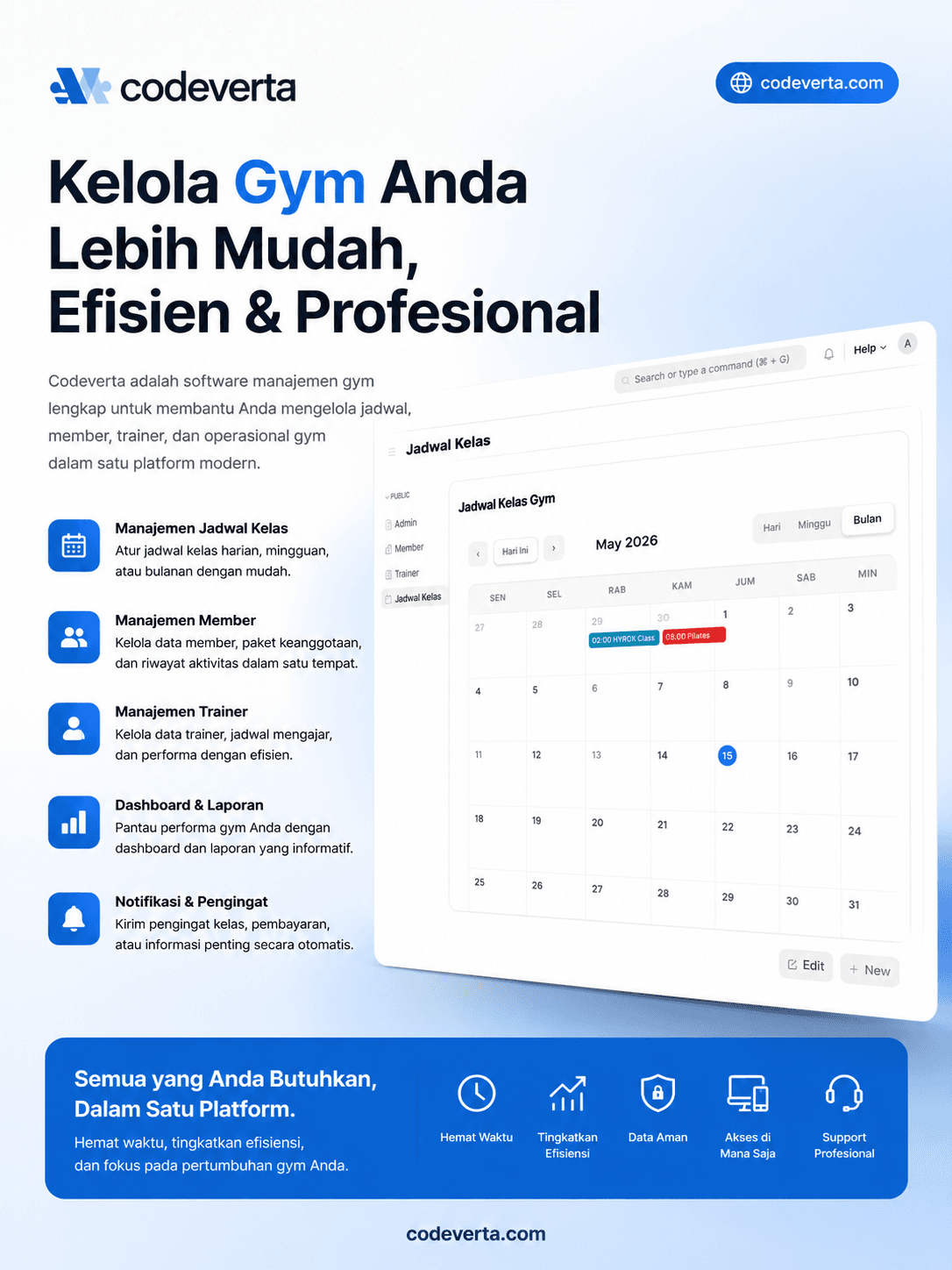
Gym Berantakan Gara-Gara Catatan Masih Manual? Saatnya Pakai Sistem Manajemen Gym
2026년 7월 15일
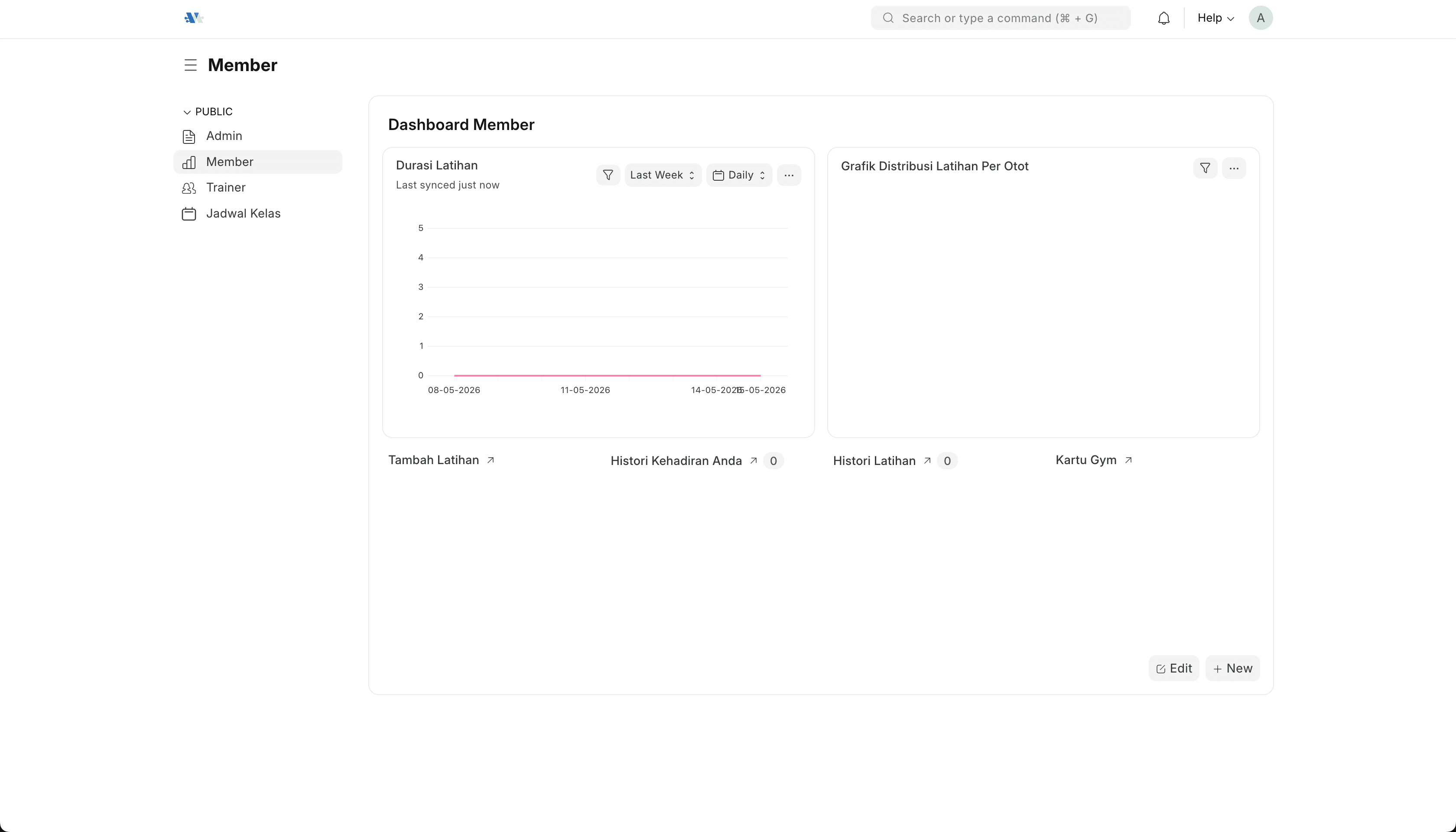
소규모 헬스장이 회원을 유지하기 어려운 이유와 해결책
2026년 7월 10일