When BHP manages iron ore extraction across multiple sites in Western Australia, or when Qantas coordinates thousands of flight crew schedules across time zones, there's one thing they can't afford: a bottleneck that silently kills efficiency while the team scrambles with spreadsheets and phone calls.
Recommended Products

How Software Reduces Operational Bottlenecks in Complex Industries and What Small Businesses Can Learn from It
When BHP manages iron ore extraction across multiple sites in Western Australia, or when Qantas coordinates thousands of flight crew schedules across time zones, there's one thing they can't afford: a bottleneck that silently kills efficiency while the team scrambles with spreadsheets and phone calls.
The difference between a $50 billion mining operation and a local laundry business is scale — not the nature of the problem. Both deal with scheduling conflicts, resource tracking, staff handovers, and customer-facing delays. Both lose money when operations fall apart mid-shift.
This article breaks down how software actually fixes operational bottlenecks, using real-world patterns from some of Australia's most complex industries, and what that means practically for business owners running operations that depend on coordination and timing.
The Real Shape of an Operational Bottleneck
Before talking about solutions, let's be precise about the problem — because "bottleneck" gets thrown around loosely.
An operational bottleneck isn't just "things are slow." It's a specific point in a workflow where output is consistently constrained — meaning everything upstream piles up, and everything downstream sits idle waiting. In a laundry operation, that might be the ironing station. In a hotel, it's the housekeeping queue at checkout time. In a catering business, it's the production window between order confirmation and dispatch.
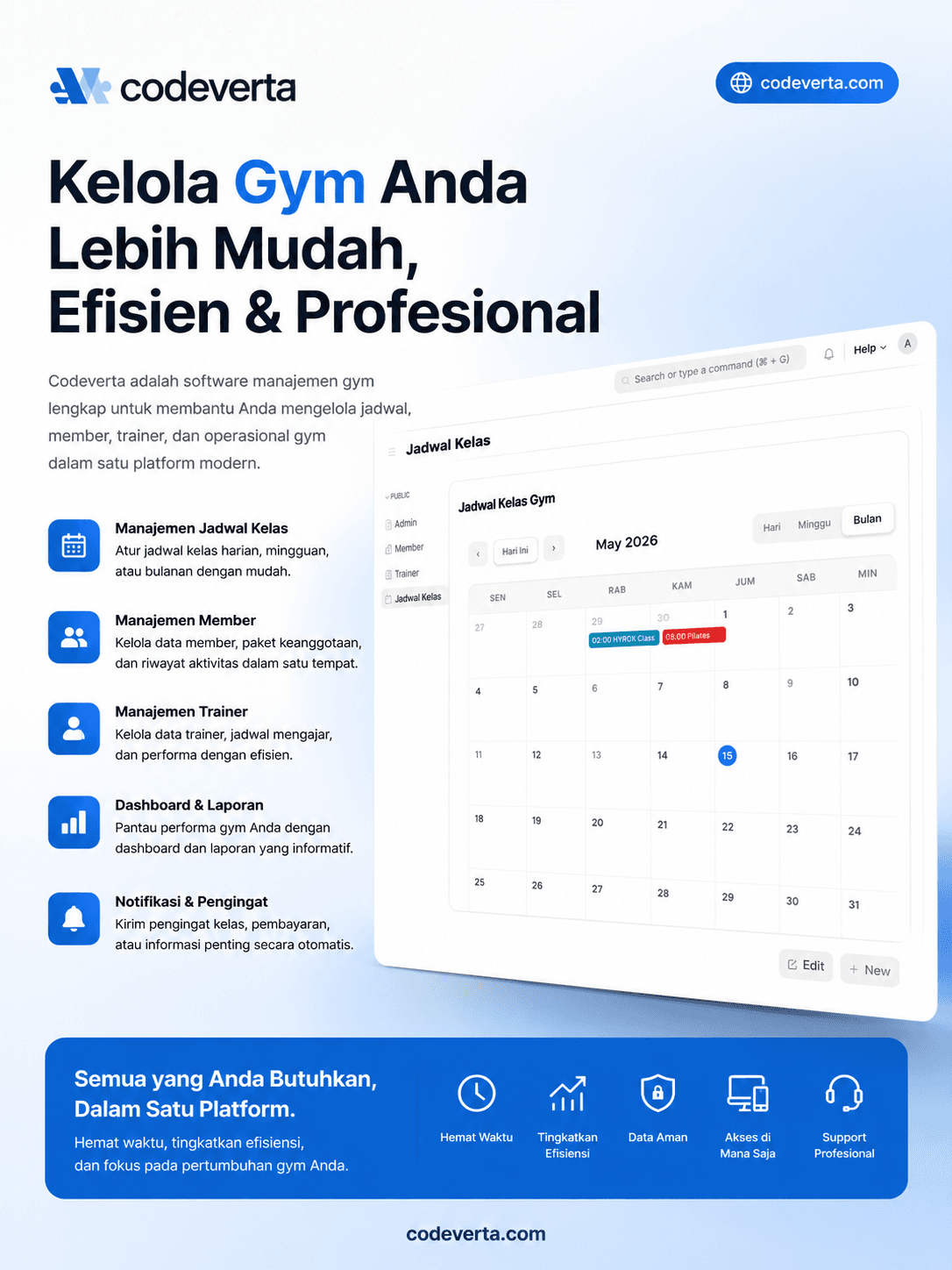
What makes bottlenecks particularly damaging in service businesses is that they're often invisible until they cause a failure. The gym receptionist doesn't notice that the class booking system has been double-counting capacity for three weeks — until 30 members show up for a 20-person session.
How Australia's Largest Industries Solved This — and the Pattern Behind It
Mining: Visibility Across Distributed Operations
BHP, Rio Tinto, and Fortescue operate across multiple states with equipment worth billions, thousands of workers on rotating rosters, and supply chains that span oceans. Their core operational problem isn't technical — it's information latency. Decisions get made based on data that's already hours or days old.
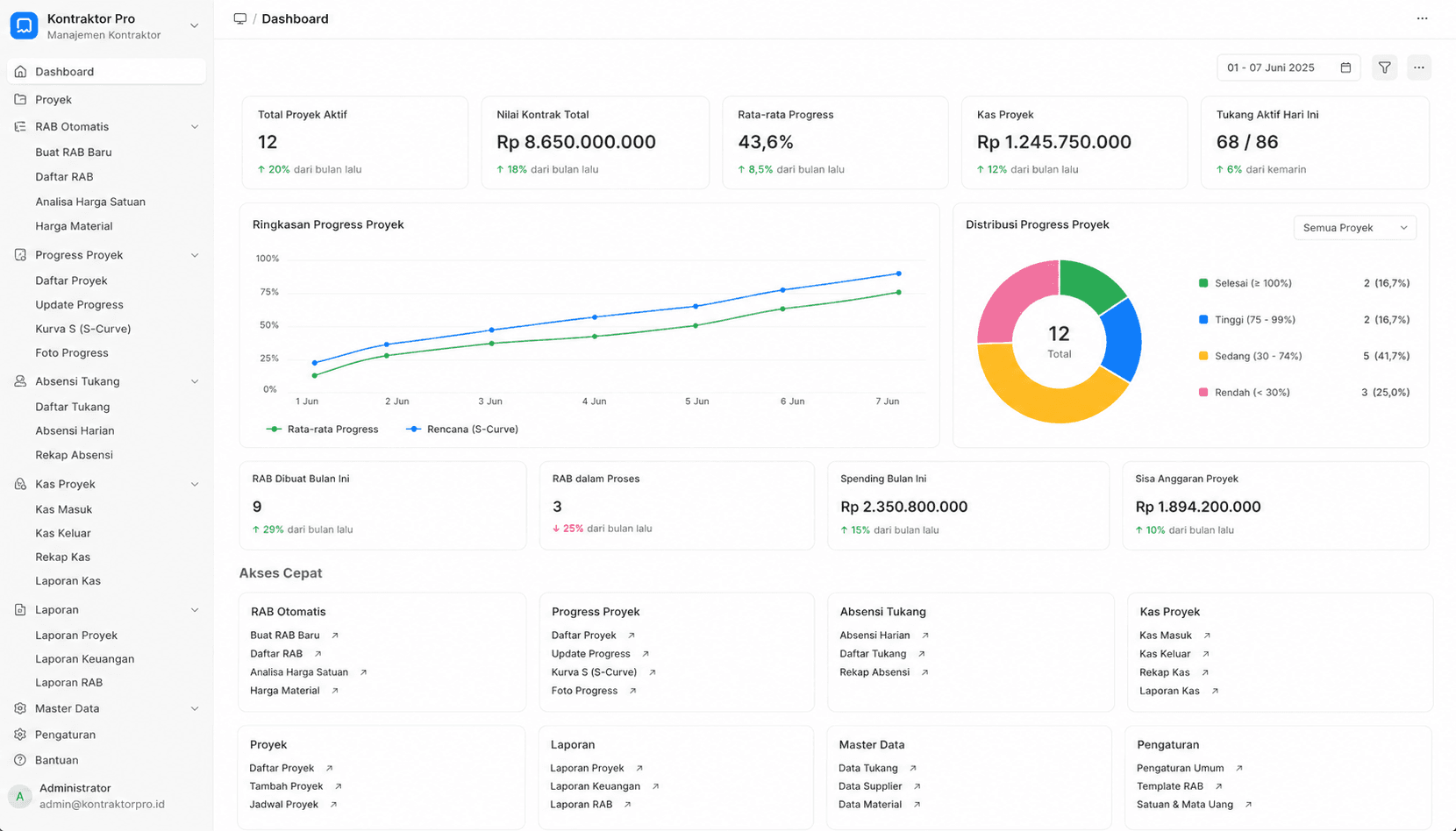
The solution they've invested heavily in: real-time operational dashboards that aggregate data from equipment sensors, logistics systems, and workforce management into a single view. When a haul truck at a Pilbara site goes offline, the operations center in Perth knows within seconds — not after the next manual report.
The pattern: centralize visibility, reduce the time between an event and the decision that responds to it.
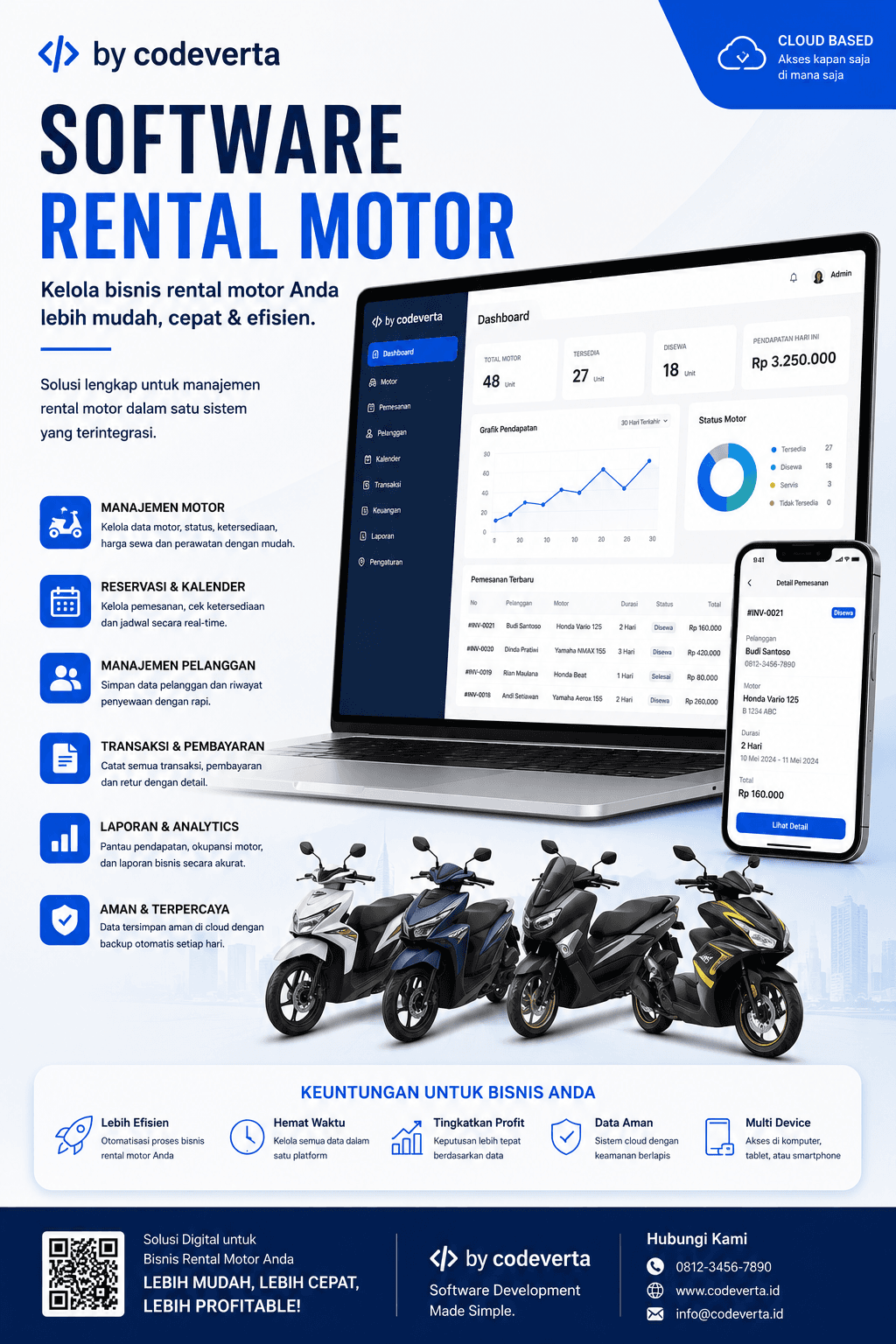
For a business running five rental camping sites, this same principle applies. If you don't know which tent sets are out, which are overdue for return, and which need maintenance — all at once — you're always one step behind.
Banking: Straight-Through Processing to Eliminate Manual Touchpoints
Commonwealth Bank, NAB, Westpac, and ANZ handle millions of transactions daily. The bottleneck they eliminated years ago: manual review at every step of a process. Loan applications that once required physical paper moving between desks now route digitally, with automated checks triggering at each stage and exceptions flagged for human review.
This is called straight-through processing (STP). The idea is to remove humans from steps where humans aren't adding value — and redirect that attention to the steps that actually need judgment.
In a coffeeshop context: if your staff are manually writing down orders, walking them to the kitchen, waiting for confirmation, and walking back — that's four human steps where two automated ones (POS integration + kitchen display) would do the job faster and with fewer errors.
Retail: Predictive Inventory Management
Woolworths and Coles don't just track what's on the shelf — they model what will be on the shelf based on historical sales patterns, promotional calendars, and seasonal demand. Stockouts and overstock are both expensive, and both are bottleneck symptoms: either the supply side can't keep up with demand, or the demand side can't absorb what's been ordered.
Their software doesn't just report inventory — it recommends purchase orders based on predicted depletion rates.
For a hotel, this translates directly to linen, amenity kits, and consumables. If you're constantly running out mid-week or writing off expired stock, the problem isn't your purchasing decisions — it's that your purchasing decisions aren't connected to occupancy forecasts.
Logistics and Energy: Workflow Sequencing
WiseTech Global (which powers logistics operations across Australia and globally) built its business on the insight that logistics isn't just about moving things — it's about sequencing. The bottleneck in freight isn't always the transport itself; it's the paperwork, the customs clearance, the handoff between carriers.
Santos and Woodside Energy face similar challenges in project scheduling. When you're managing a gas extraction facility, the sequence in which maintenance tasks happen — and who is certified to perform each — determines whether a shutdown takes 48 hours or two weeks.
The software solution: dependency mapping. Tasks that depend on each other are linked explicitly, so a delay in task A automatically flags the downstream impact on tasks B, C, and D. Nothing falls through the gap because the gap is visible.
In a contractor context: if your scheduling software doesn't know that the electrical inspection must happen before the plastering, you'll have teams showing up in the wrong order and standing around at $80/hour.
The Four Bottleneck Types Software Actually Fixes
1. Information Bottlenecks
Someone has the information, but the person who needs it can't get it in time. A front desk team member books a client into a time slot the gym instructor already knows is full — because the booking system and the instructor's schedule aren't synced.
Software fix: a single source of truth with real-time sync across roles. When the instructor marks a session full, it's instantly reflected in the booking interface.
2. Handover Bottlenecks
Work stalls between people. In a hotel, the departing housekeeper doesn't communicate which rooms have priority check-ins — so the arriving shift has to start from scratch. In a catering operation, the production team doesn't know the delivery window changed by two hours.
Software fix: structured handover notes embedded in the workflow. Status updates attach to the job, not to a person. The next person picks up exactly where the previous one left off.
3. Approval Bottlenecks
Someone can't proceed until they get a sign-off, and the sign-off is stuck waiting because the approver doesn't know they need to act. A contractor can't order materials because the purchase approval is sitting unread in a manager's email.
Software fix: automated escalation with deadlines. If an approval isn't completed within X hours, the system notifies the next person up the chain and records the delay.
4. Capacity Bottlenecks
Demand exceeds what the operation can deliver in a given window — not because of lack of resources, but because resources are unevenly distributed. Three gym trainers are standing around at 10am while the 6pm slots are overbooked.
Software fix: demand forecasting and load balancing. Historical data shows that Tuesday evenings consistently spike — so the system prompts you to roster an additional trainer before that pattern becomes a complaint.
A Realistic Workflow Example: Catering Operation Before and After
Before software:
A client books a corporate lunch for 80 people on a Wednesday. The order goes into a WhatsApp group. The head chef acknowledges it. The procurement person buys ingredients based on memory and rough estimates. On Tuesday night, it turns out the client quietly changed the headcount to 65 — someone updated a note in a personal chat that not everyone saw. Wednesday morning: too much food prepared, wrong quantities, partial waste, team stress.
After operational software:
The order is in the system with a confirmed headcount, delivery time, and dietary requirements. When the client emails a change, the staff member updates it in the system — which automatically recalculates ingredient quantities and notifies the head chef and procurement team. The production schedule adjusts. On the morning of the event, the checklist is already updated with the correct portion count.
No WhatsApp chaos. No miscommunication. One source of truth that everyone's looking at.
What This Means Practically for Your Business
If you're running a laundry, a gym, a hotel, or a contractor operation, the gap between you and how BHP manages operations is smaller than it sounds. The underlying logic is identical — you just need software that's designed for your specific workflow, not a generic tool that requires you to adapt your operation to fit it.
Here's a realistic self-assessment checklist:
Your operation likely has bottlenecks if:
- You rely on WhatsApp, paper, or verbal handovers for job status
- Customers regularly ask "what's the status?" because your team doesn't have a live answer
- Staff overlap causes duplicate work or missed tasks during shift changes
- You've had incidents where two staff members had conflicting information about the same job
- Scheduling changes require manual notification across multiple channels
- You don't know your real capacity utilization — you just "feel" how busy you are
- Reporting requires someone to manually compile data from different places
If you checked more than three of those, you're running a business where the bottleneck is structural, not a staffing or attitude problem.
Before You Implement Anything: Map First
One mistake businesses make when adopting operational software is trying to digitize a broken process. The software makes the broken process faster — which isn't an improvement.
Before implementing any system, do this:
-
Walk the actual workflow — not the intended one. Follow a single job from initial inquiry through completion and map every step, who touches it, and where it waits.
-
Identify the wait points — not just the busy points. Bottlenecks hide in the waiting, not the working.
-
Separate human-required steps from automatable ones — this tells you where software adds value and where it just adds complexity.
-
Pilot on one part of the operation — don't digitize everything at once. Pick the single highest-impact bottleneck and solve that first.
Closing Thought
The companies that run the most complex operations in Australia — BHP, Qantas, CBA, Telstra — all learned a long time ago that growth without operational infrastructure just creates larger chaos. The businesses that scale well aren't necessarily the ones working hardest; they're the ones that systematically removed the friction from their core workflows.
For a business owner running a hotel or a gym or a rental operation, that same principle applies. The question isn't whether you need better software — it's which bottleneck is costing you the most right now, and whether your current tools can even show you that clearly.
If they can't, that's the first problem worth solving.